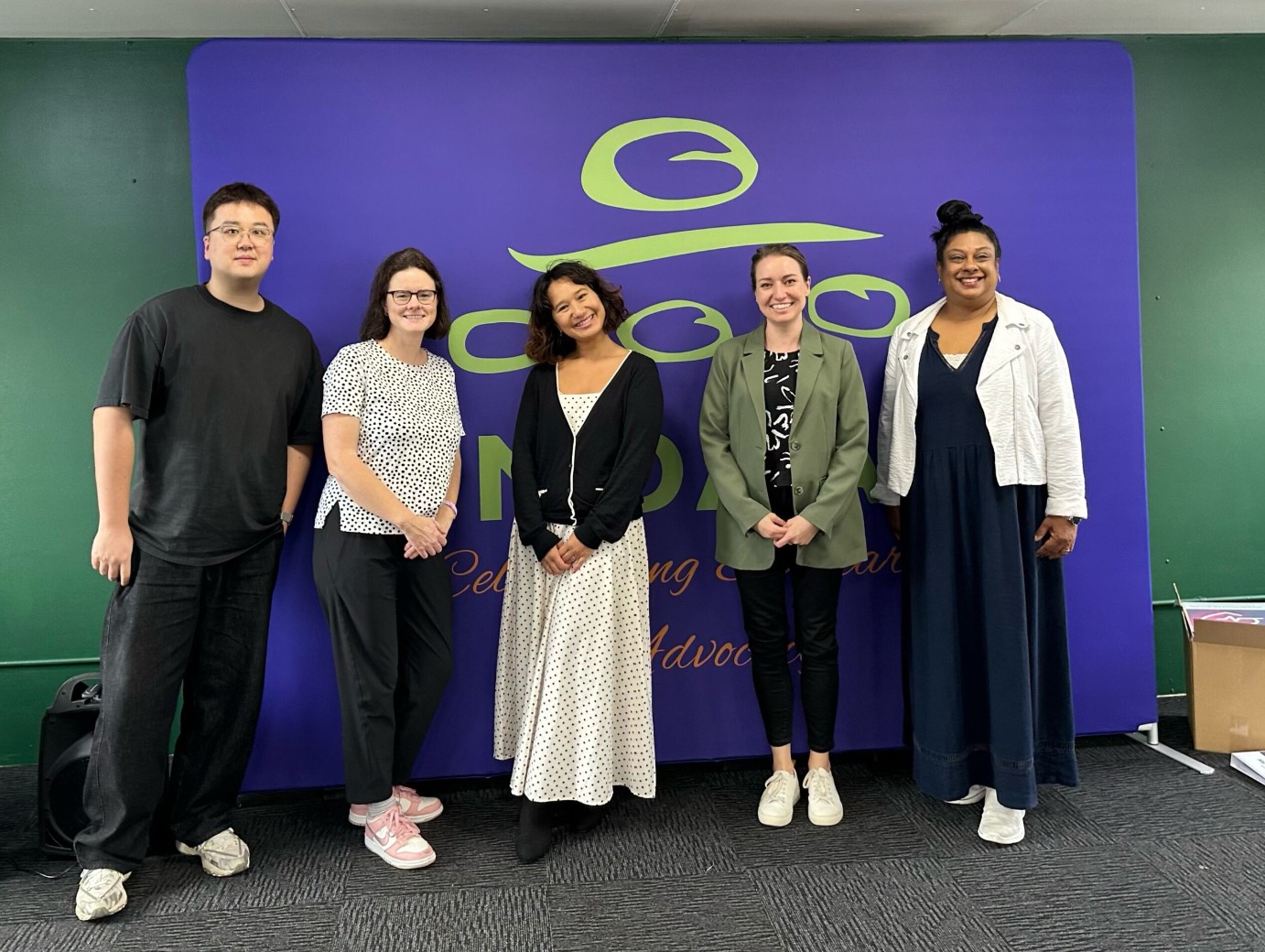
Towards the end of last year, our team recognised an important gap in the development of our project: we needed more diverse parent voices involved in shaping our digital tool to support parents of children with genetic neurodevelopmental conditions.
To help address this, we partnered with the Multicultural Disability Advocacy Association (MDAA) to host a co-design workshop with parents and carers from multicultural communities. The recent workshop brought together parent voices from Syrian, Chinese, Iranian, Pacific Island, and Indian communities, creating a space for participants to share their experiences, perspectives, and ideas. These conversations helped us better understand how the tool could support a wider range of families and highlighted the importance of including culturally diverse perspectives in the co-design process.
The session focused on creativity, reflection, and conversation. Through activities such as body mapping and object inquiry, participants explored and expressed their experiences of genetic testing and diagnosis in meaningful, personal ways. These activities encouraged storytelling, discussion, and connection.
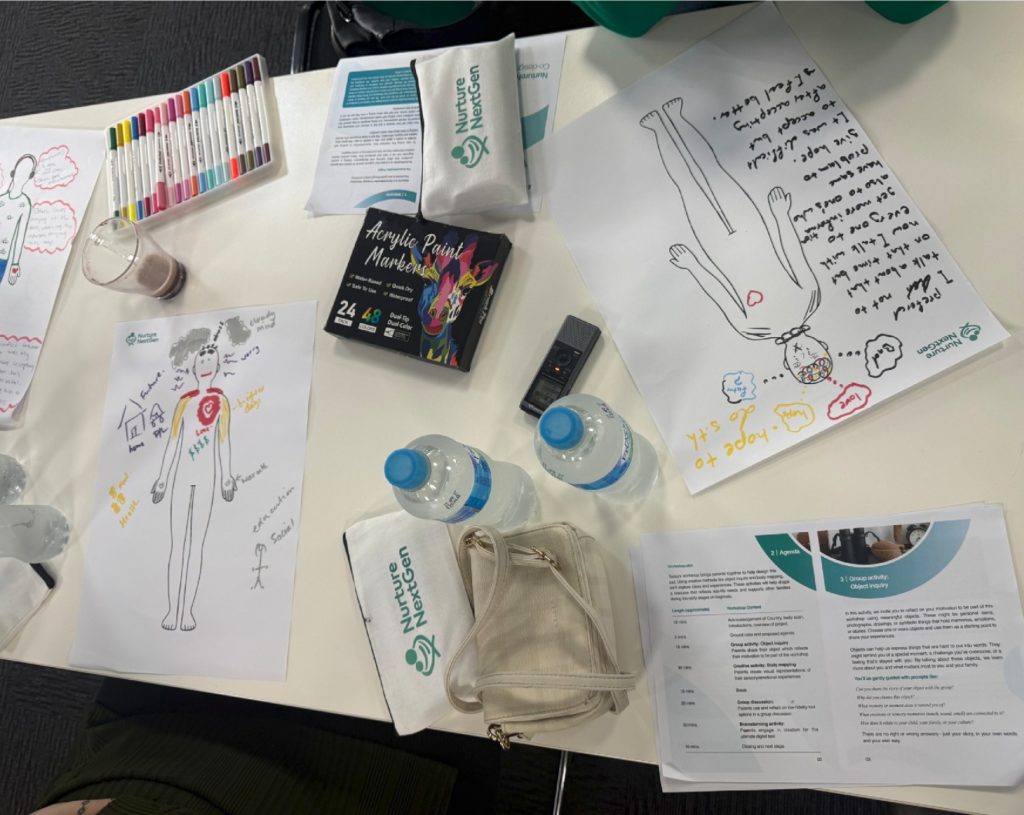
Alongside these activities, participants were invited to engage with and provide feedback on the prototype of our digital tool. While the digital tool is still in its early stages of development, the workshop offered valuable opportunities to hear directly from future users about what felt useful, what could be improved, and what considerations are important for accessibility, trust, and cultural responsiveness.
The discussions throughout the workshop reinforced the importance of co-design and community partnership. Diverse perspectives are essential in ensuring that digital tools are inclusive, relevant, and genuinely supportive for the people they are intended to serve.
We are incredibly grateful to everyone who participated in the workshop and shared their time, stories, and insights with us. We also thank MDAA for partnering with us and helping create a welcoming and thoughtful environment for these conversations.
As the digital tool continues to develop, the feedback gathered during this workshop will play an important role in shaping future iterations of the tool. We look forward to continuing to work alongside parents and communities as the project evolves.
No responses yet