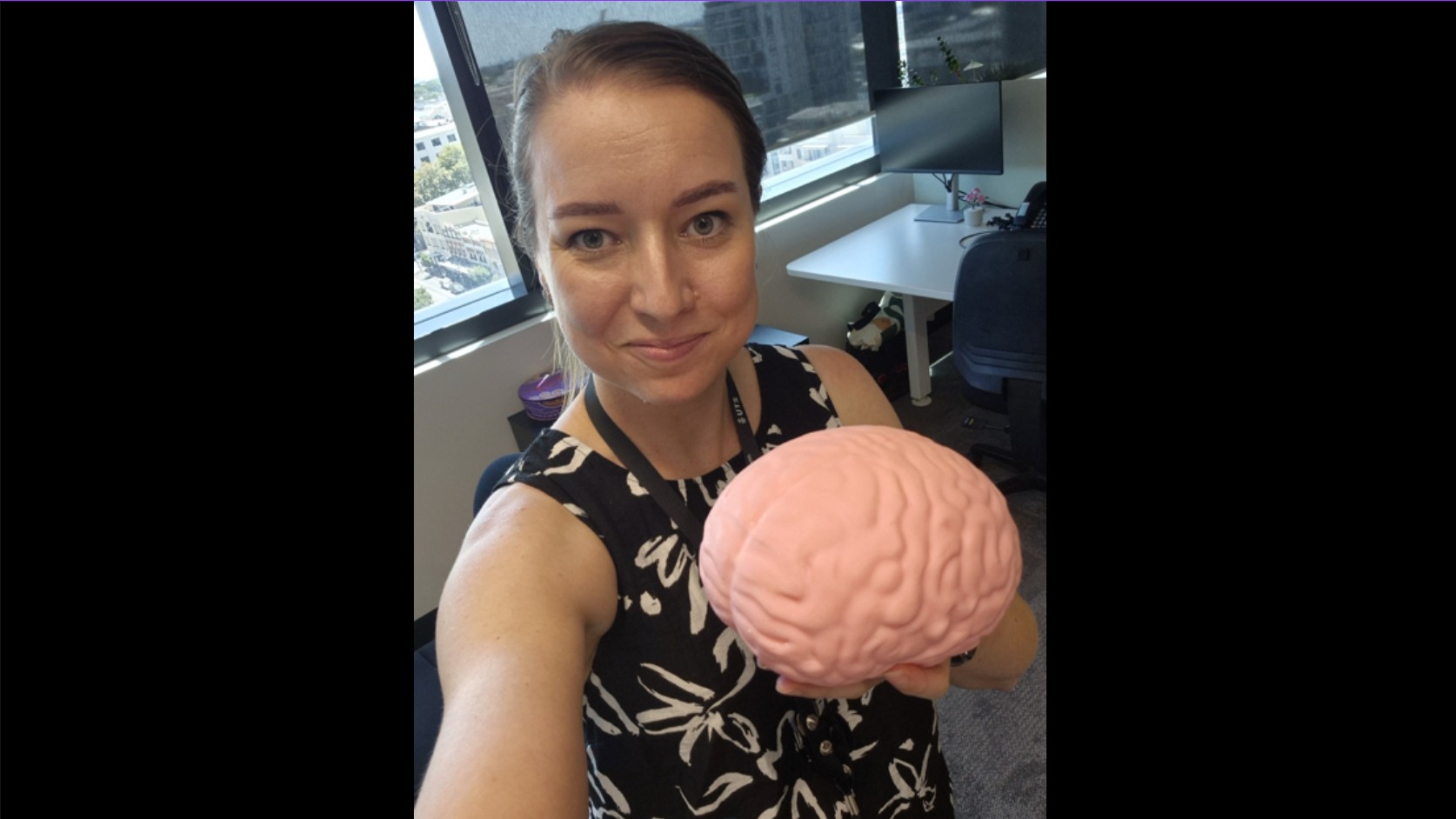
We’re delighted to introduce Dr Julia Dray, a valued member of the NurtureNextGen team whose work brings together research, teaching, and a strong commitment to lived experience-informed design.
Julia is a Lecturer in Speech Pathology at the University of Technology Sydney, with a background in psychology. Her teaching spans neuroanatomy, head and neck anatomy, and the application of research evidence in clinical speech pathology practice. She also supervises postgraduate students in health-related fields.
Her research focuses on youth mental health and resilience, with particular attention to lived experience and the safe, responsible integration of emerging technologies such as Generative Artificial Intelligence (GenAI) into mental health care. Across her work, Julia is especially passionate about co-design, using creative and participatory methods to develop more responsive approaches to health care and education.
Her Role in NurtureNextGen
As Project Manager, Julia works across many aspects of the project, including study design, workshops, and analysis. She plays a central role in planning, coordinating, and supporting the many moving parts of the research.
In workshops, Julia helps ensure everything runs smoothly, from preparing materials to coordinating participation. She also focuses on creating a welcoming and supportive environment, where parents feel comfortable engaging with the activities. She values how the workshops allow parents to share their experiences in their own way and at their own pace, often expressing stories that are difficult to put into words.
Her Motivation
Julia was drawn to NurtureNextGen because of its genuine commitment to co-design and its recognition of lived experience as a form of expertise. What resonated most strongly for her is the project’s focus beyond diagnosis, exploring how families live with and make sense of their experiences over time.
Her connection to the work is also deeply personal. Having experienced postnatal anxiety and depression after the birth of her two children, she understands the importance of sharing lived experiences. She describes this as both cathartic and rewarding, and it continues to shape her passion for research that is conducted with people, not for them.
What Excites Her Most
Julia finds the interdisciplinary nature of NurtureNextGen especially exciting. The project brings together expertise from clinical genetics, health research, design, and creative, arts-based methods to understand parents’ experiences in ways that no single discipline could achieve alone.
She also values how the project centers parents’ voices and translates their insights into practical outcomes that can support other families.
Hopes for the Project
Julia hopes that NurtureNextGen helps families feel less alone after receiving a diagnosis and more supported as they move forward. She wants the project to lead to resources that are honest, accessible, strength-based, and grounded in real experiences.
As a parent herself, she recognises the significant demands of parenting, including the ongoing advocacy and mental load it can involve. She sees this work as an opportunity to support other parents in meaningful ways, helping them feel seen, informed, and empowered.
Outside of Work
Outside of the project, Julia is a single parent of two young children and spends much of her time balancing family life. She enjoys creative activities, including making fondant cookies, as well as spending time outdoors, dancing, and running.
She also values small moments of calm in busy weeks. Whether it is the first sip of a hot coffee, enjoying a quiet meal, or immersing herself in the ocean, these moments of self-care are especially meaningful. Living in Australia, she feels a strong sense of gratitude for the coastline and the chance to reconnect with nature.
No responses yet